Gordon Jenkins
Gordon Jenkins (1910-1984)
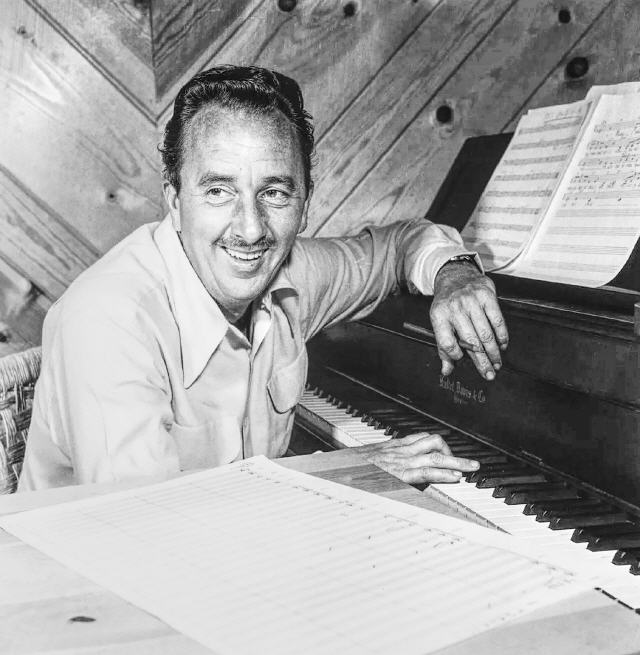
Im April 1965 nahm Frank Sinatra für Reprise eines seiner allerschönsten Alben überhaupt auf: „September Of My Years“, eine Sammlung eindrucksvoller melancholischer Lieder, von satten Streichern perfekt inszenierte Stimmungen, die zum „Herbst des Lebens“ paßten, den Sinatra nun mit fast 50 musikalisch einläuten wollte. Vier Grammy Awards gab es dafür bei den Verleihungen im folgenden Jahr, einen für das Album, einen für den besten Song („It Was A Very Good Year“), einen für die Liner-Notes von Stan Cornyn – und einen für den Mann, dem Sinatra die musikalische Umsetzung des Konzeptes, die Arrangements und die Leitung der Sessions anvertraut hatte: Gordon Jenkins, der auch zwei von ihm selbst geschriebene Songs auf dem Album einbrachte, „How Old Am I?“ und „This Is All I Ask“.
Für Jenkins war es die Krönung einer damals schon ein Jahrzehnt andauernden Zusammenarbeit mit Sinatra, in dessen Lebenswerk er soviel prägende Spuren hinterlassen hat wie sonst nur noch Nelson Riddle, Billy May, Axel Stordahl und Don Costa. Wer war dieser Mann, der mit der linken Hand zu dirigieren pflegte und deswegen von Sinatra liebevoll „Lefty“ gerufen wurde? Der Meister herbstlicher Stimmungen kam im Frühjahr zur Welt: Als Sohn eines Dorfpianisten und Pfarrorganisten wurde Gordon Jenkins am 12. Mai 1910 in Webster Groves (US-Bundesstaat Missouri) geboren, wo sein älterer Bruder in den zwanziger Jahren eine kleine eigene Band leitete. Der junge Gordon lernte gut ein Dutzend Instrumente zu beherrschen; sein Banjo-Spiel brachte ihm 1925 erstmals öffentliche Anerkennung, als der Fünfzehnjährige einen Talentwettbewerb in St. Louis gewann. Dies brachte ihm einen Nebenjob bei einer lokalen Radiostation (KMOX) ein, wo er wöchentlich in „The Show Is On Broadway“ als Pianist zu hören war und bald auch selbst zu arrangieren begann. Mit dem Henry Santry Orchestra ging Jenkins 1930 auf eine erste Konzerttournee nach New York City, die jedoch wenig erfolgreich verlief; seine Erfahrungen und Empfindungen aus jenen Tagen der Frustration im „Big Apple“ würde er später in seiner monumentalen Instrumentalsuite „Manhattan Tower“ verarbeiten.
Zunächst jedoch brachten ihm Jazz und Swing den Durchbruch: Nachdem er 1931 im Hotel Coronado in St. Louis spontan für den erkrankten Pianisten der Isham-Jones-Band eingesprungen war, wurde er vom Fleck weg als Arrangeur verpflichtet und tourte fortan erfolgreich mit dem Ensemble, das alsbald in die landesweit erfolgreiche Big-Band von Woody Herman aufging. Mit seiner eigenen Komposition „Blue Prelude“ landete er 1933 einen ersten Hit: Das Stück wurde rasch zur „signature tune“ der Woody-Herman-Band und gehört seitdem zum Standardrepertoire des Genres. Ein noch größerer Erfolg gelang ihm zwei Jahre später mit „Good-Bye“, wiederum einer eigenen Komposition, die, von ihm selbst arrangiert, zur bald weltbekannten Erkennungsmelodie des Benny-Goodman-Orchesters wurde; den einfühlsamen Text interpretierten zahlreiche Vokalisten, darunter Billie Holiday und auch Frank Sinatra, der das Stück 1958 für seinen Album-Klassiker „Only The Lonely“ (Capitol) mit Nelson Riddle aufnehmen sollte.
Damit war die Karriere des nunmehr Fünfundzwanzigjährigen gesichert: Seit 1936 schrieb und arrangierte Jenkins – zunächst anonym, ab den frühen vierziger Jahren dann unter eigenem Namen – Soundtracks für die Paramount-Filmstudios, die ihn ein Jahrzehnt später zum Musical Director erkoren. Der Filmmusik bliebt Jenkins sein Lebenlang verpflichtet; 1980 steuerte er den Soundtrack für Sinatras letzten großen Kinofilm „The First Deadly Sin“ bei.
Seit Beginn der vierziger Jahre fungierte Jenkins als Arranger-Conductor zahlloser in Los Angeles produzierter Radioshows, unter anderem auch derjenigen von Dick Haymes, der 1942 Sinatras „Nachfolger“ bei Tommy Dorsey geworden war. Über die Arbeit mit Haymes kam Jenkins zu Decca Records, wo er mit großem Erfolg für zahlreiche Stars des Labels arrangierte, darunter Billie Holiday, Al Jolson, Ella Fitzgerald und auch Louis Armstrong. Seine Arrangements brachten ihn an die Spitze der Billboard-Charts, und mit überragendem kommerziellen Erfolg etablierte Jenkins 1950 die Popgruppe „The Weavers“ beim jungen Plattenlabel Capitol Records.
Daneben betätigte er sich weiter mit großem Erfolg als Songschreiber; zwei seiner Kompositionen, „San Fernando Valley“ (ein großer Hit für Bing Crosby) und „Homesick That’s All“, wurden 1944/45 auch von Sinatra ins Repertoire genommen und eingespielt. Bei seinen Live-Auftritten auf den großen Jazzbühnen arbeitete Gordon Jenkins oft mit den Drummern Nick Fatool und Johnny Blowers zusammen, die beide zum engeren Kreis von Sinatras damaligen Studiomusikern gehörten, und so schien es nur eine Frage der Zeit zu sein, bis sich die Wege der beiden kreuzen würden.
1956 erschienen bei Capitol zwei von Gordon Jenkins arrangierte Alben, die nicht nur bei Sinatra großen Eindruck hinterließen: „Love Is The Thing“ von Nat King Cole, und „Alone“ von Judy Garland, die beide mit jenem dunklen, melancholisch wallenden Streicher-Sound aufwarteten, wie er für Jenkins typisch werden sollte. Sinatra, Zeit seines Lebens ein großer Freund von streicherdominierten Arrangements, verpflichtete Gordon Jenkins sogleich für sein Instrumental-Album „Tone Poems Of Colour“, für das Jenkins Komposition und Arrangement von „Green“ beisteuerte.
Vom Ergebnis war Sinatra begeistert, und im darauffolgenden Frühjahr fanden sich beide bei Capitol zusammen, um mit dem Balladenalbum „Where Are You“ Franks erste Stereoplatte aufzunehmen, auf der sich so großartige Songs und Arrangements wie „Lonely Town“ und „Autumn Leaves“ finden. Im Juli desselben Jahres (1957) entstand ein gemeinsames Weihnachtsalbum, „A Jolly Christmas from Frank Sinatra“ (später von Capitol auch als „The Frank Sinatra Christmas Album“ nochmals aufgelegt), das bis heute zu den besten Weihnachtsalben gehört.
Zwei Jahre später, 1959, folgte das Album „No One Cares“ bei Capitol, 1962 das Album „All Alone“ bei Reprise, und 1965 dann das eingangs erwähnte „September Of My Years“. Besonders das erste dieser Alben führte Sinatra zu nie wieder erreichten Gipfeln der Balladenkunst: „A Cottage For Sale“, „Here’s That Rainy Day“, „None But The Lonely Heart“ (eine Tschaikovsky-Adaption aus Jenkins‘ eigener Feder)... die Liste ließe sich leicht fortsetzen.
Gordon Jenkins, so zeigte sich, konnte mit seinen Arrangements wie kein Zweiter Sinatras musikalische Seele ans Tageslicht bringen, etwas, was man mit „the devastating dignity of loneliness“ beschreiben könnte. Hier hängt nicht der einsame Trinker am verwaisten Tresen seinen trüben Gedanken nach, sondern ein Verzweifelter läßt sich im Ozean der Emotionen treiben, haushoch türmen sich die Wellen und schlagen mitunter über ihm zusammen. Besonders auf „No One Cares“ kann man nahezu physisch spüren, wie die expressiven Arrangements von Jenkins Sinatra in ihren Sog hinein- bzw. hinabziehen.
Niemals sonst in seiner Karriere hat er solche Abgründe der Verzweiflung in Töne umsetzen können, und wann auch immer Sinatra in späteren Jahren, z.B. 1973/74 (auf Teilen der beiden Alben „Ol’Blue Eyes Is Back“ und „Some Nice Things I’ve Missed“, und der erst später veröffentlichten Aufnahme von „Just As Though You Were Here“ vom September 1974), oder auch 1981 (auf dem Album „She Shot Me Down“) nochmals nahe an diese Qualität herankam, waren es stets Arrangements von Jenkins, die ihn dabei begleiteten.
Allzu bombastisch und pompös haben Jenkins‘ zahlreiche Kritiker, die vor allem aus den Reihen seiner Musikerkollegen stammen, seinen Stil genannt; er ertränke, so ein bis heute oft wiederholter Vorwurf, die Subtilität der Lieder in einem Meer aus Violinen, zerstöre sie (ganz im Gegensatz etwa zu Nelson Riddle) mit einer klebrigen Soße bittersüßer Theatralik. Auch sei er ein eigentlich nur mäßig begabter Arrangeur gewesen, dem manchmal selbst einfache Akkorde mißrieten. An Gordon Jenkins scheiden sich jedenfalls bis heute die Geister so sehr wie an kaum einem anderen.
Sträflich unbeachtet bleiben dabei nicht nur seine Suiten und Filmmusiken, sondern auch vieles andere, etwa, daß Jenkins für Sinatra auch in ganz anderem Stil arrangierte, zum Beispiel „Born Free“ (auf dem Reprise-Album„The World We Knew“, 1967) oder seine Version von „One For My Baby“, die Sinatra kurz vor seinem vorläufigen Rücktritt ins Programm nahm (zu hören auf der Warner DVD „Royal Festival Hall 1970“). Oder, daß Jenkins bei seinen seltenen Engagements als Live-Conductor für Sinatra, z.B. im Sands in Las Vegas im November 1966 und bei den ersten Comeback-Konzerten 1974, kleine aber feine Änderungen an vielen „fremden“ Arrangements vornahm. Und schließlich wird es doch kein Zufall gewesen sein, daß Jenkins mit seiner Orchestrierungskunst so gänzlich verschiedenen Interpreten wie Sinatra, Ella Fitzgerald, Judy Garland und Nat King Cole gleichermaßen zu in sich stimmigen Konzeptalben verhalf.
Die heftigsten Kritiken, bezogen auf seine Arbeit mit Sinatra, aber gab es im Frühjahr 1980, als mit „Trilogy“ (Reprise) Sinatras erstes Album seit sechs Jahren auf den Markt kam. Die ersten beiden Teile, „The Past“ und „The Present“, wurden einhellig gelobt und brachten dem Album mehrere Grammy-Nominierungen ein; daß daraus dieses Mal bis auf die Prämierung der Liner Notes von David McClintick nichts wurde, lag nach ebenso einhelliger Meinung der Kritiker ausschleißlich an Teil 3, „The Future“, einer kolossalen von Gordon Jenkins komponierten, getexteten und arrangierten Suite, die mit einem fast hundertköpfigen Orchester unter großem Aufwand im Shrine Auditorium von Los Angeles aufgenommen worden war. Von Sinatra aus betrachtet war dieses Unternehmen sicher äußerst ungewöhnlich und für viele seiner Zuhörer auch sehr gewöhnungsbedürftig; keinesfalls jedoch, und das ging in fast allen Kritiken völlig unter, galt dies für den Schöpfer des Opus, Gordon Jenkins, der Sinatra hier auf einen musikalischen Weg führte, den er selbst schon seit 35 Jahren kontinuierlich beschritten hatte und der die grob unterschätzte Vielseitigkeit eines Komponisten und Arrangeurs unterstrich, der sich eben nicht nur dem (im wahrsten Sinne des Wortes) „Easy Listening“ verschrieb.
1946 hatte Jenkins bei Decca die Komposition „Manhattan Tower“ herausgebracht, arrangiert für Orchester, Chor und Solisten, aneinandergereihte Episoden, Träume und Klangbilder, in denen Jenkins Reflexionen über seinen oben erwähnten deprimierenden ersten Aufenthalt in den Häuserschluchten der Großstadt verarbeitete. Das Werk trägt zum Teil experimentelle Züge, hat jedenfalls mit dem „Great American Songbook“ wenig gemein und bedarf in seiner großen Komplexität, die hier im Einzelnen nicht dargestellt werden kann, der ungeteilten Aufmerksamkeit des Zuhörers; ist man dazu bereit, so entfaltet das Stück auch heute noch eine Art postmoderner Faszination. Jenkins hat die Suite kontinuierlich fortentwickelt und 1956 nochmals für Capitol aufgenommen; ein Vergleich lohnt sich, und um „The Future“ überhaupt seriös beurteilen zu können, ist die Kenntnis dieses Werks sogar unabdingbar.
Mindestens zwei weiteren Werken von Gordon Jenkins kommt eine vergleichbar essentielle Bedeutung zu: Der 1958 entstandenen Suite „The Letter“ für Judy Garland, und der bei Decca entstandenen Suite „Seven Dreams“, wiederum für Orchester, Chor und Solisten, in der die sich entfaltende Story erst ganz zum Schluß durch eine raffinierte musikalische Pointe als Traum enttarnt wird. Zahlreiche Elemente aus diesen Kompositionen fanden Eingang in „The Future“, das ansonsten mit zahlreichen auf Sinatra gemünzten autobiographischen Passagen aufwartet und dem Sänger auch eine Zeile über Gordon Jenkins selbst in den Mund legt („I’ll have Lefty to write me one more chart“, singt Frank in „Before The Music Ends“).
Auf „She Shot Me Down“ (Reprise 1981), Sinatras letztem Konzeptalbum, dominiert nochmals die Handschrift von Gordon Jenkins. Gleichsam als sein Vermächtnis kann dabei „I Loved Her“ gelten, ein speziell für Sinatra geschriebener Song, oder auch Gordys grandios-gnadenlos-bitteres Arrangement zu Alec Wilders „A Long Night“.
Drei Jahre später, am 1. Mai 1984, starb Gordon Jenkins in Los Angeles. Mehrere Wochen lang widmete Sinatra seine Konzertabende daraufhin dem Gedenken an jenen Mann, dem er soviele Höhepunkte seiner Laufbahn verdankte, und sang noch einmal viele der großen Balladen ihres gemeinsamen Schaffens.
Ein persönliches Erlebnis zum Schluß: Am 29. Mai 1992 stand Frank Sinatra auf der Bühne der Royal Albert Hall in London. Die obligatorischen Ovationen für „The Lady Is A Tramp“ waren gerade verklungen, als einige Spots den Saal in goldrot-herbstliches Licht tauchten und Sinatra das nächste Lied ankündigte: „Words and music by the great Gordon Jenkins“.
Und dann, unter Aufbietung aller ihm verbliebener stimmlicher Kräfte entführte der Sechsundsiebzigjährige mit „This Is All I Ask“ sein Publikum noch einmal in jene Septemberwelten, die ihm Jenkins 1965 eröffnet hatte. „...let the music playyy/as long as there’s a sonngg to singg/then I will be youngger than springg“.
Als der letzte Ton verklungen war und bereits stürmischer Applaus aufbrandete, verharrte Sinatra noch einige Augenblicke regungslos auf der Bühne, die Augen geschlossen, Hände und Mikrophon hinter dem Rücken, schüttelte dann sanft den Kopf und sagte schließlich zu sich selbst, aber bis in die ersten Reihen vernehmlich:
„My god, so beautiful... thank you, Lefty.“
Bernhard Vogel (für „The Main Event“).
Von Gordon Jenkins geschriebene Lieder im „Sinatra Songbook“:
Before The Music Ends (Trilogy, Reprise 1979)
The Future (Trilogy, Reprise 1979)
Good-Bye (Only The Lonely, Capitol 1958)
Homesick That’s All (Columbia 1945)
How Old Am I? (September Of My Years, Reprise 1965)
I Loved Her (She Shot Me Down, Reprise 1981)
I’ve Been There (Trilogy, Reprise 1979)
None But The Lonely Heart (No One Cares, Capitol 1959)
P.S. I Love You (Close To You, Capitol 1956)
San Fernando Valley (Radio 1944)
This Is All I Ask (September Of My Years, Reprise 1965)
What Time Does The Next Miracle Leave? (Trilogy, Reprise 1979)
World War None (Trilogy, Reprise 1979)
Sinatra-Studioalben mit Arrangements von Gordon Jenkins:
Tone Poems Of Colour (Capitol 1956)
Where Are You? (Capitol 1957)
A Jolly Christmas from Frank Sinatra (Capitol 1957)
No One Cares (Capitol 1959)
All Alone (Reprise 1962)
September Of My Years (Reprise 1965)
The World We Knew (Reprise 1967)
Ol’Blue Eyes Is Back (Reprise 1973)
Some Nice Things I’ve Missed (Reprise 1974)
Trilogy (Reprise 1979)
She Shot Me Down (Reprise 1981)
Everything Happens To Me (Reprise, von FS zusammengestellter Sampler 1996)
© Bernhard Vogel für Frank Sinatra – The Main Event, 2004